Choosing the right inspection equipment helps label printing businesses maintain quality, improve production efficiency, and deliver consistent results. The right machine also helps manufacturers reduce manual checking time, identify defects, and prepare finished label rolls for customers.
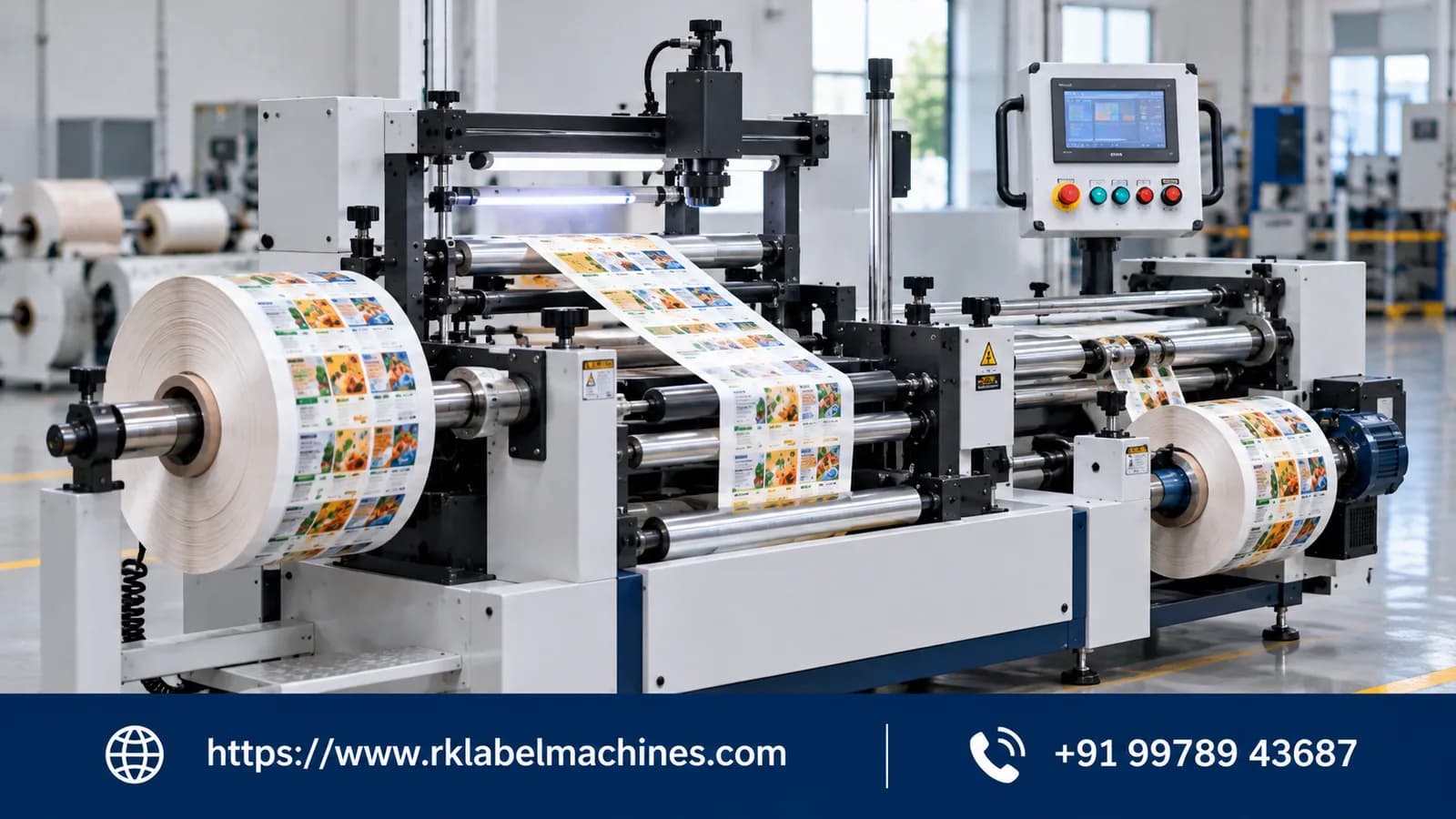
A Label inspection machine helps printing businesses check printed labels for missing labels, color differences, scratches, registration errors, and other visible defects. Depending on the model, it can also support defect positioning, slitting, rewinding, and label counting. Selecting the right system depends on your production volume, inspection needs, label materials, and budget.
Why Does Your Printing Business Need a Label Inspection Machine?
Label defects can lead to customer complaints, product rework, material waste, and delivery delays. Manual inspection may suit smaller production runs, but businesses with higher output often need a more structured inspection process.
A suitable machine helps your team inspect printed rolls, identify quality issues, maintain roll alignment, and prepare labels for the next production stage. Camera-based systems can also help operators locate defects more precisely, depending on the inspection technology and setup.
For pharmaceutical, food, cosmetics, and FMCG labels, consistent quality checks can support internal quality-control procedures. However, the machine alone cannot guarantee regulatory compliance or eliminate every defect.
5 Factors to Consider Before Buying a Label Inspection Machine
1. Choose the Right Inspection Method
Start by identifying the type of inspection your production line requires.
- Manual inspection: A trained operator visually checks labels as the machine unwinds and rewinds the roll. This approach can suit businesses that need straightforward inspection and counting.
- Missing-label detection: A dedicated system helps identify missing labels and may support defect positioning, batch coding, slitting, and rewinding, depending on the configuration.
- Camera-based automatic inspection: A vision system captures label images and identifies supported defects according to its settings and inspection capabilities.
For example, RK Label Machinary Pvt Ltd offers the IS-320 manual inspection machine, the HSI-320 with missing-label detection, and the AHSI-320 automatic inspection machine. Compare their features with your actual production requirements before choosing a model.
2. Check Production Speed and Web Width
Machine speed affects how quickly your team can process printed rolls. However, the highest speed does not always deliver the best results for every label material or inspection requirement.
Check the manufacturer's rated speed and confirm how the machine performs with your typical label stock. Also, measure the maximum web width you process and compare it with the machine's working width.
RK publishes a maximum paper width of 320 mm for the AHSI-320, with a listed mechanical speed of 100–120 metres per minute. The IS-320 manual model has a listed mechanical speed of 50 metres per minute. These specifications provide a starting point, but you should confirm the latest configuration with the manufacturer.
3. Evaluate Slitting and Rewinding Features
Inspection is only one part of label finishing. Many printing businesses also need to slit wide rolls into narrower rolls and rewind them for dispatch.
Before buying, check whether the machine includes:
- Online slitting with suitable blade options
- Unwinding and rewinding tension control
- Electronic web guiding
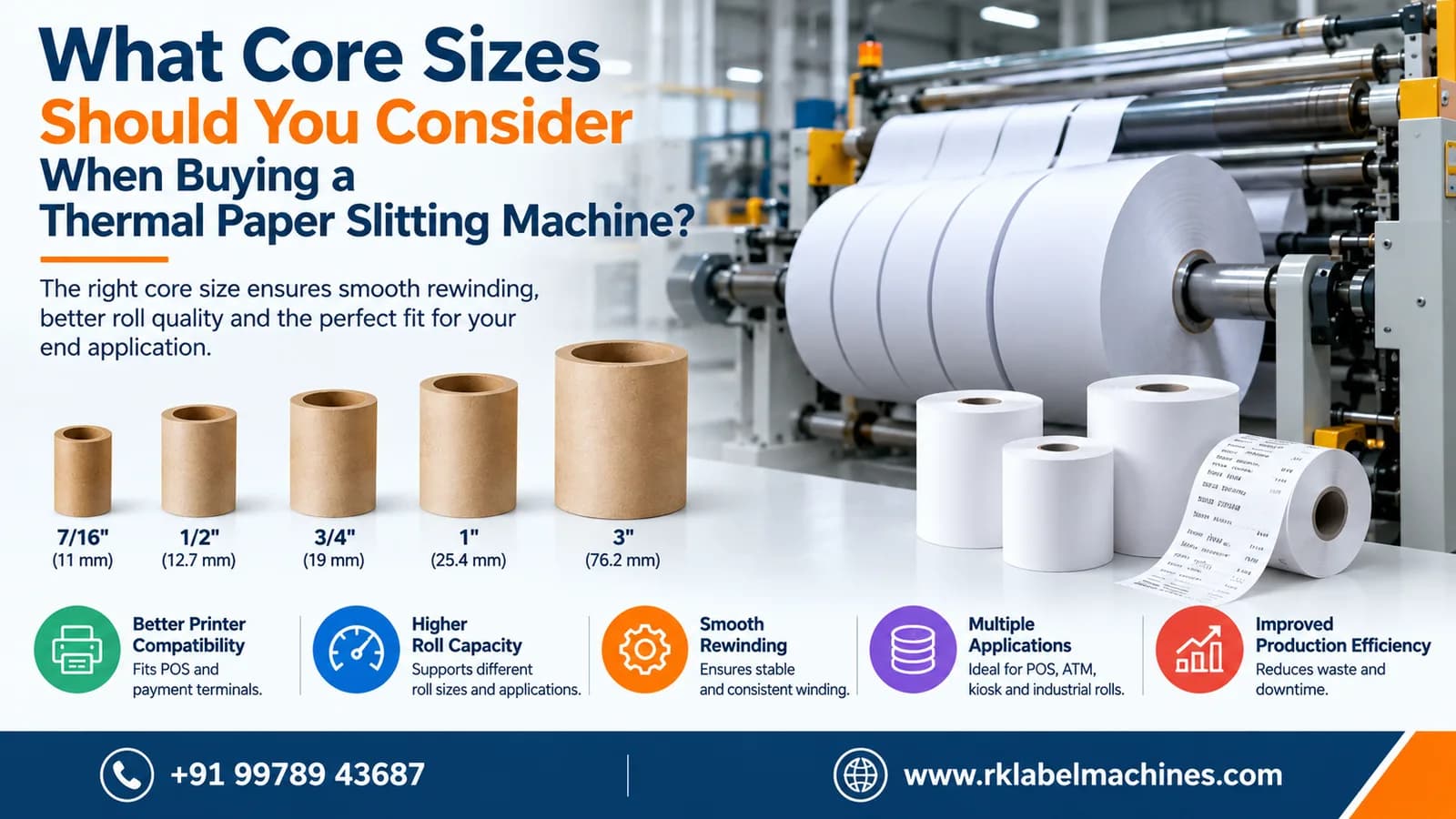
- Compatible core sizes
- Label and metre counters
- Automatic stop controls
- Suitable roll diameter capacity
If your team currently performs inspection and slitting separately, a combined system may help simplify production. Check whether the machine supports your required slit widths, winding direction, and finished roll dimensions.
4. Match the Machine to Your Label Materials
Different materials behave differently during inspection and rewinding. Paper labels, self-adhesive labels, film labels, and other substrates may require different tension settings and handling methods.
Ask the supplier whether the machine can handle your materials, label sizes, print layouts, and gap arrangements. If you need camera inspection, confirm which defects the system can detect and whether it works reliably with your actual print samples.
A material trial can help you assess inspection accuracy, web tracking, winding quality, and practical operating speed before making a purchase.
5. Compare Total Cost, Support, and Maintenance
Do not compare machines on purchase price alone. Consider installation, operator training, spare parts, maintenance, power requirements, and service availability.
Ask the manufacturer for a detailed quotation that lists the standard features, optional equipment, warranty terms, delivery timeline, and installation responsibilities. A machine with the right features and reliable technical support may provide better long-term value than a cheaper model that does not meet your production needs.
Which Label Inspection Machine Is Right for Your Business?
Use this simple selection guide to narrow your options:
| Your requirement | Suitable machine type |
|---|---|
| Visual checking and roll rewinding | Manual inspection machine |
| Missing-label detection with finishing functions | Missing-label detection machine |
| Camera-based defect inspection and slitting | Automatic inspection machine |
| Higher production output | A system matched to your required operating speed |
| Special roll sizes or materials | A machine configured for your specifications |
Treat this table as a starting point. Confirm compatibility and performance with the manufacturer before ordering.
Choose the Right Inspection Solution for Your Production Line
The right equipment should match your production goals, inspection needs, available floor space, and budget. Review the technical specifications, discuss your material requirements, and request a demonstration or material trial wherever possible.
RK Label Machines provides inspection options for different production needs. Contact its team to compare models, discuss custom requirements, and request a quotation from a Label inspection machine manufacturer that understands industrial label production. When evaluating a printing inspection machine, focus on verified specifications, practical performance, and after-sales support to make an informed investment decision.
READ MORE:
Automatic vs Manual Label Inspection Machine: Which Is Better?